
Du học nghề tại Đức cần chuẩn bị những gì?
Tổng quan về điều kiện ngôn ngữ, hồ sơ và tài chính cho chương trình Ausbildung tại Đức.

Tổng quan chương trình Ausbildung
Du học nghề (Ausbildung) tại Đức ngày càng hấp dẫn nhờ chi phí thấp, được trả lương trong quá trình học và cơ hội định cư rộng mở. Tuy nhiên bạn cần chuẩn bị kỹ nhiều mặt.
Ngôn ngữ, hồ sơ và tài chính
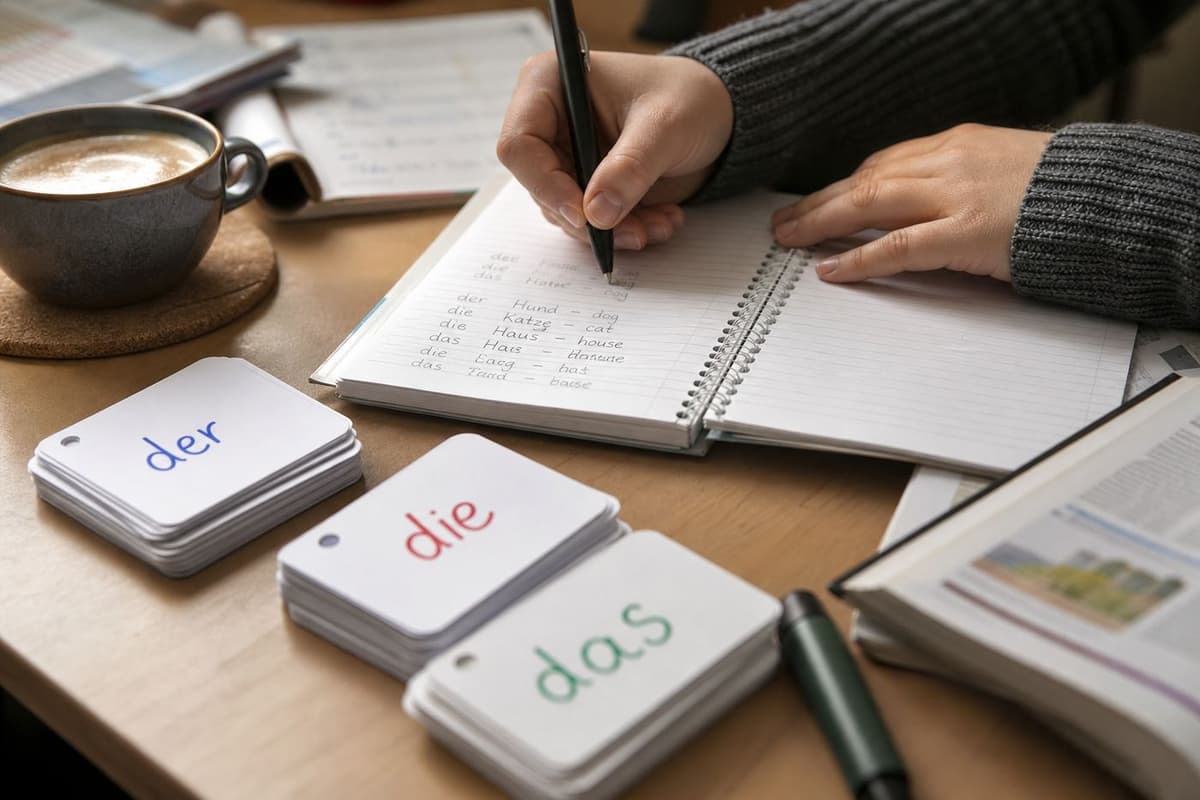
Về ngôn ngữ, đa số chương trình yêu cầu trình độ tối thiểu B1, một số ngành như điều dưỡng yêu cầu B2. Đây là điều kiện tiên quyết không thể thiếu.
Về hồ sơ, bạn cần bằng tốt nghiệp THPT, chứng chỉ tiếng Đức, hợp đồng đào tạo với doanh nghiệp Đức và đôi khi cần chứng minh tài chính cho tài khoản phong tỏa.
Về tài chính, dù được trả lương học nghề, bạn vẫn nên có khoản dự phòng cho chi phí ban đầu như vé máy bay, đặt cọc nhà và bảo hiểm.
Lời khuyên quan trọng nhất: hãy đầu tư nghiêm túc cho tiếng Đức ngay từ đầu. Một nền tảng ngôn ngữ vững chắc quyết định phần lớn thành công của hành trình du học nghề.


Bình luận (0)
Đăng nhập để tham gia thảo luận.
Chưa có bình luận. Hãy là người đầu tiên chia sẻ suy nghĩ của bạn.